
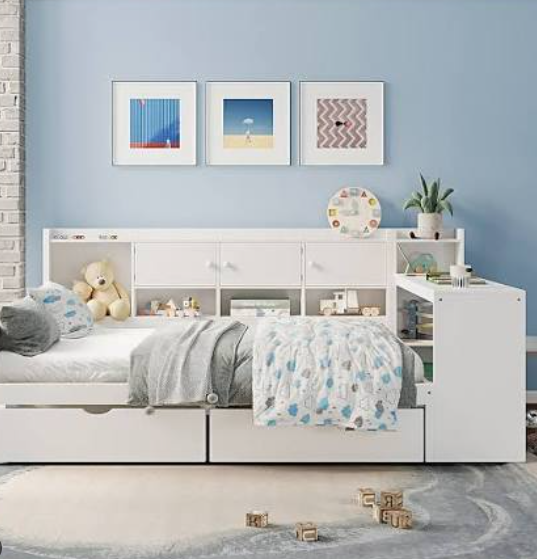
Creating an effective study space is essential for enhancing productivity and focus. One of the cornerstones of an efficient study room is functional storage, which often comes in the form of cabinets. In this post, we will explore different types of functional storage cabinets and how they can transform your study area.
1. Choosing the Right Type of Storage Cabinet
When it comes to functional storage for study rooms, selecting the right type of cabinet is crucial. There are various options including bookcases, file cabinets, and multimedia storage solutions. Each type serves a unique purpose and should be chosen based on what you intend to store and the amount of space available in your study room.
For instance, if you have a large collection of textbooks and reference materials, a sturdy bookcase with adjustable shelves can be ideal. On the other hand, if you tend to accumulate paperwork, a filing cabinet with multiple compartments might be more practical. Assessing your storage needs can help you make an informed decision that aligns with your organizational goals.
-
- Evaluate what you need to store: books, files, or multimedia.
-
- Measure your available space to ensure a proper fit.
-
- Consider the material and durability of the cabinet.
-
- Think about aesthetics; the cabinet should match your study’s decor.
2. Maximizing Storage Space
Once you’ve chosen the right type of storage cabinet, the next step is maximizing its space effectively. Thoughtful organization inside your cabinet can significantly increase its functionality. Utilize shelves, drawer dividers, and bins to categorize items and make it easier to find what you need quickly.
For example, you can use a three-tiered shelf to store books, with the upper shelves for less frequently used materials. Drawer dividers can help segregate office supplies, such as pens, pencils, and notepads, providing easier access and preventing clutter. Consider using a labeled bin system for miscellaneous items—you’ll thank yourself later when everything has its place.
-
- Use shelf risers to create additional layers for smaller items.
-
- Label everything for quick identification.
-
- Rotate your supplies seasonally to free up space.
-
- Regularly declutter to keep your storage efficient.
3. Incorporating Design and Functionality
Integrating design with functionality can make your study room not just efficient, but also inviting. Choose cabinets that complement your overall aesthetic while still prioritizing usability. For instance, a stylish cabinet with glass doors can keep your materials visible yet protected from dust, creating an open, airy feel in your study space.
Moreover, consider multifunctional furniture such as storage ottomans or desks with built-in shelves. This allows you to maximize your study area without overcrowding. A well-designed storage cabinet not only holds your essentials but also reflects your personal taste and inspiration, contributing positively to your study environment.
-
- Select materials that are both attractive and durable.
-
- Mix open and closed storage for a balanced look.
-
- Incorporate colors that energize or calm you based on your study needs.
-
- Consider height and visibility for easy reach and access.
4. Regular Maintenance for Longevity
Owning a storage cabinet is one thing, but maintaining it properly is a whole different ball game. Make it a routine to periodically check the contents of your cabinet. This will not only help keep your space organized but also ensure the longevity of the cabinet itself, particularly if it’s made from wood or other materials that require care.
It’s a good practice to dust off surfaces and clean out items that you no longer need. More importantly, routine maintenance can prevent damage from spills or exposure to sunlight. Even simple actions like adjusting hinges or tightening screws can keep the cabinet functioning across years of study sessions.
-
- Conduct a monthly check-up for organization.
-
- Clean surfaces regularly to maintain appearance.
-
- Replace damaged or worn-out items promptly.
-
- Keep a cleaning schedule to form a habit.
In conclusion, functional storage cabinets play a pivotal role in creating an efficient and inviting study room. Consider your storage needs, maximize space, integrate design, and maintain regularly to ensure your study area remains an effective haven for learning. Take the first step toward optimizing your study space today!