
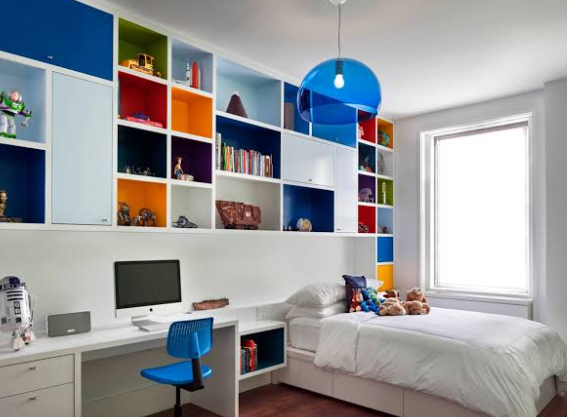
When setting up a study room, one key area often overlooked is effective storage. Simple storage cabinets can not only help organize your space but also enhance your productivity. In this blog post, we will explore practical storage cabinet options that can transform your study area into a functional and efficient workspace.
1. Choosing the Right Size
The size of the storage cabinet is crucial for maximizing the usability of your study room. Measure the space available before making a purchase. If your study room is small, opt for a cabinet that offers vertical storage rather than horizontal; this helps to utilize height without taking up too much floor space.
On the other hand, if you have a larger space, consider a wider cabinet that provides ample storage for books, stationery, files, and personal items. You might even want to explore multi-compartment designs that allow for separate organization of different categories of items, making it easier to locate what you need quickly.
-
- Measure your study room before shopping.
-
- Choose between tall or wide cabinets based on space.
-
- Look for multi-compartment designs for better organization.
-
- Consider the height and width to make the best use of vertical space.
2. Material Matters
The material of the storage cabinet can significantly impact its durability and aesthetic appeal. Wood cabinets provide a classic look and robust functionality, perfect for a warm and inviting study atmosphere. However, they can be more expensive and weigh more, which might be a consideration if you plan to move the cabinet frequently.
Alternatively, metal and plastic cabinets are often lighter and more affordable, offering modern styles that can complement contemporary decor. They are also generally easier to maintain. Choose a material that aligns with your overall study room design and meets your functional needs without compromising on style.
-
- Choose wood for a classic and sturdy look.
-
- Consider metal or plastic if budget is a concern.
-
- Evaluate the maintenance needs of each material.
-
- Match cabinet material with existing room decor.
3. Functionality Features
When selecting simple storage cabinets, it’s essential to consider functionality features that enhance usability. Look for cabinets with adjustable shelves to accommodate different-sized books or items. Drawers can be handy for storing smaller items, while open shelves can be ideal for display purposes or easy access.
Additionally, some cabinets come with built-in compartments designed for specific uses, such as file storage or electronics. Think about how you intend to use the cabinet and choose features that will best support those activities, ensuring your study room remains both neat and efficient.
-
- Opt for adjustable shelves for flexibility.
-
- Include drawers for small items like stationery.
-
- Consider open shelves for easy access and display.
-
- Look for cabinets with compartments for electronics and files.
4. Aesthetic Appeal
A storage cabinet doesn’t just need to serve a practical purpose; it should also complement your study room’s aesthetic. Pay attention to the colors and styles available. Cabinets come in various finishes like wood grain, matte, or glossy, which can align with your personal taste and room theme.
Incorporating a well-designed cabinet can become a focal point in your study room. You can even personalize it by adding decorative elements like books or plants on top, making it both a functional and beautiful part of your space.
-
- Choose colors that match your study room decor.
-
- Consider finishes like matte or glossy based on your style.
-
- Declutter the top of the cabinet for a clean look.
-
- Add personal touches like artwork or plants.
5. Maintenance Tips
Once you have your storage cabinet in place, proper maintenance is key to its longevity. Regularly dusting the surfaces and keeping them clean can prevent wear and tear, especially for wooden cabinets that might absorb moisture. If you have a cabinet made of metal or plastic, ensure you inspect for rust or scratches and address them promptly to maintain appearance and lasting quality.
Moreover, think about periodically reassessing the contents of your cabinet. This can help you get rid of items you no longer need and maintain a tidy environment. This way, your cabinet will stay organized and functional, reflecting an efficient study routine.
-
- Dust surfaces regularly to prevent wear.
-
- Check for moisture damage on wood cabinets.
-
- Inspect metal cabinets for rust or scratches.
-
- Periodically declutter the cabinet contents.
Creating a well-organized and aesthetically pleasing study space is achievable with the right simple storage cabinets. By carefully considering the size, material, functionality, and upkeep of your cabinets, you can create an effective environment that bolsters your productivity. Take the next step in enhancing your study room today!