
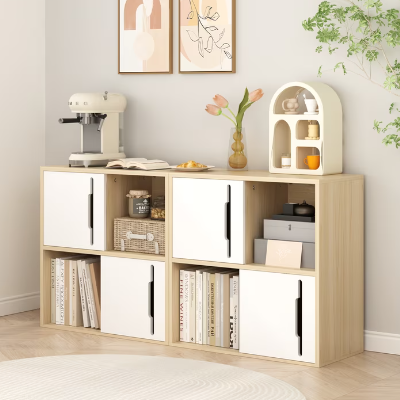
Creating an organized and efficient study room can significantly boost productivity and focus. One of the key elements in achieving this is selecting the right storage cabinets, especially a mix of open and closed options. Let’s delve into the advantages of these types of cabinets and how they can cater to your study needs.
1. The Benefits of Open Storage Cabinets
Open storage cabinets provide immediate accessibility to your books, supplies, and other study materials. They are ideal for items you use frequently, allowing you to grab what you need without wasting time searching through closed compartments. For instance, a shelf dedicated to reference books can be placed above your desk, enabling easy access during study sessions.
Moreover, open cabinets can also contribute to the aesthetic appeal of your study room. By organizing items in visually pleasing ways, such as grouping books by color or size, you can create a stimulating environment that inspires creativity. Adding decorative elements like plants or art pieces on these shelves can enhance the atmosphere even further.
-
- Choose open cabinets for items you use daily.
-
- Group similar items together for easier access.
-
- Incorporate decorative elements for a personal touch.
-
- Regularly declutter to maintain an organized look.
-
- Use baskets or boxes to keep smaller items tidy.
2. Advantages of Closed Storage Cabinets
Closed storage cabinets offer a solution for preserving privacy and keeping clutter out of sight. They are perfect for storing sensitive documents, larger textbooks, or materials that don’t need to be accessed regularly. For example, you might have a cabinet dedicated to storing unused supplies or personal items that you prefer to keep hidden away.
Another advantage of closed cabinets is the added potential for smart organization through shelves and compartments. Utilizing drawer dividers can help categorize items within the cabinet, making it easier to find what you need when you need it. This approach helps maintain a clean and streamlined workspace, which can be incredibly beneficial during extensive study sessions.
-
- Label cabinets or drawers to ensure easy identification.
-
- Use drawer dividers for smaller items.
-
- Store less frequently used items in closed cabinets.
-
- Avoid overcrowding to maintain easy access.
-
- Choose cabinets with locks for sensitive materials.
3. Finding the Right Balance: A Combination Approach
Mixing open and closed storage allows for the optimal balance between accessibility and organization. By combining both types, you can create a versatile workspace that meets all your study needs. For instance, you might position closed cabinets alongside open shelves, where the closed cabinets can hide away textbooks while the open shelves showcase your most-used materials.
This combination also allows for functional zoning in your study space. Designate certain areas solely for study supplies, while leaving others for decorative or inspirational items that encourage creativity. This zoning not only organizes your study area but also helps distinguish between various functions within the same space.
-
- Plan your storage layout before purchasing cabinets.
-
- Mix items creatively between open and closed spaces.
-
- Utilize wall-mounted shelves for extra storage.
-
- Incorporate storage solutions that match your decor.
-
- Regularly reassess your storage needs as they may change.
4. Tips for Selecting Storage Cabinets
When shopping for storage cabinets, it’s essential to consider size and scale in relation to your study space. Measure the area where you intend to place the cabinets to ensure they fit without overwhelming the room. Also, choose cabinets that complement the existing furniture; neutral colors often blend seamlessly with various styles.
Functionality is another critical element. Look for cabinets with adjustable shelves, as they allow flexibility to accommodate different items. Additionally, consider the durability and quality of the materials; sturdy cabinets will withstand daily use and provide long-lasting support for your study materials.
-
- Measure your space before selecting cabinets.
-
- Choose durable materials for longevity.
-
- Look for adjustable shelving options.
-
- Consider the cabinet’s weight capacity.
-
- Match the cabinet style with your existing decor.
In conclusion, finding the right storage cabinets for your study room—balancing open and closed options—can transform your workspace into a more organized, productive environment. Take time to assess your needs and declutter regularly to maintain an efficient study area. Start your journey to a better study space today!