
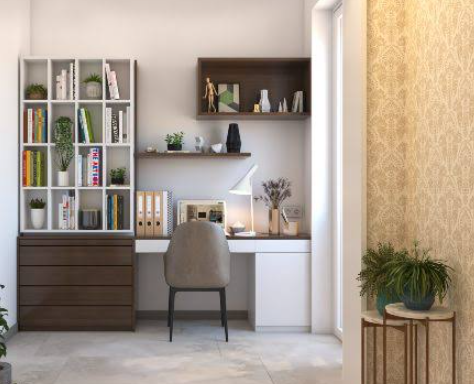
Creating an efficient study environment is crucial for productivity. One of the essential elements in a study room is a well-designed storage cabinet, particularly one that incorporates custom shelves to meet your unique needs.
1. The Importance of Custom Shelves
Custom shelves maximize the utility of your storage cabinet by accommodating various book sizes, stationery items, and personal belongings. Unlike standard shelves, custom options allow for tailored heights and widths, ensuring that every inch of space serves a purpose. For instance, if you have a collection of oversized textbooks, you can design a shelf specifically for that size, creating an organized and accessible layout.
Moreover, custom shelves can add character to your study room. You can choose materials that align with your room’s aesthetic—whether that’s a rustic wood finish or sleek metal. This holistic approach to design not only improves functionality but also enhances the overall ambiance of your study area, making it a place where you enjoy spending time.
-
- Measure the dimensions of your storage cabinet carefully.
-
- List the types of materials you like that fit your room’s design.
-
- Consider your future needs; opt for adjustable shelves to accommodate changing items.
-
- Consult with a designer to visualize your options.
2. Types of Storage Cabinets to Consider
When selecting a storage cabinet, there are several types to consider based on your specific requirements. The most common options include vertical cabinets, filing cabinets, and modular units. Vertical cabinets can fit into tight spaces, providing ample storage without consuming too much floor area. On the other hand, filing cabinets are ideal for keeping physical documents organized, often featuring drawer systems that can be customized for different sizes of paper and files.
Modular units provide versatility because they can be rearranged or expanded as needed. These are especially useful for students who may have fluctuating storage requirements throughout the academic year. You can combine shelves, desk space, and cabinets to create a personalized workspace tailored to your study habits and needs.
-
- Decide on the main function of your storage cabinet: books, files, or both.
-
- Choose a design that complements your existing decor.
-
- Evaluate your space limitations and explore vertical options.
-
- Consider future needs to avoid obsolescence.
3. Organizing Your Storage Cabinets Effectively
Organizing a storage cabinet wisely can significantly boost your study efficiency. Start by categorizing your items—group similar books together or arrange stationery items by type. This systematic approach makes it easier to find what you need quickly, preventing time wasted on searching for materials during study sessions. For instance, using labeled bins for smaller items like pens, sticky notes, and highlighters helps maintain order and increases accessibility.
Incorporating drawer dividers can also enhance your organization strategy. These dividers can hold various stationery supplies separately, avoiding a jumble of pens and papers. Opt for clear storage boxes for visual clarity, so you can see what’s inside without opening every box. This method not only keeps your study habits efficient but also creates a visually appealing workspace.
-
- Group similar items to streamline accessibility.
-
- Use clear boxes or labels for quick identification.
-
- Regularly review and de-clutter to keep only necessary items.
-
- Utilize drawer dividers for smaller supplies.
4. Enhancements for Your Study Room
Beyond basic functionality, enhancing your storage cabinet design can create an inviting atmosphere. Adding task lighting or decorative elements to your cabinet can transform it into a focal point in your study room. For instance, a stylish lamp placed on top of the storage unit can provide needed illumination during late study nights while adding a touch of elegance.
Incorporate personal touches by displaying favorite books or decor items on the shelves. This not only makes the space more personalized but also motivates you as you see items that inspire your learning and creativity. Furthermore, consider utilizing the cabinet’s exterior by adding hooks for headphones or bags, keeping frequently used items within arm’s reach.
-
- Add decorative elements that reflect your personality.
-
- Use diverse materials for shelves (wood, metal, glass) for visual variety.
-
- Introduce task lighting for better visibility.
-
- Utilize the cabinet’s exterior for additional storage solutions.
In conclusion, investing in a storage cabinet with custom shelves for your study room is an excellent way to enhance both functionality and aesthetic appeal. By understanding the importance of custom designs, exploring various types of cabinets, and employing effective organization strategies, you can create a space that not only meets your academic needs but also inspires you to thrive. Don’t hesitate to consult with a professional or start exploring options to find the perfect storage solution for your study room today!