
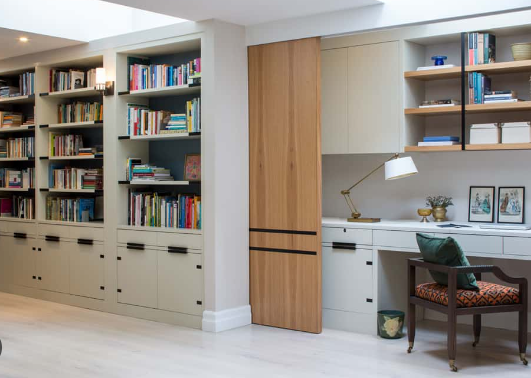
Creating an organized study space is crucial for efficiency and concentration. Storage cabinets designed specifically for study rooms can significantly enhance this experience by providing smart solutions for keeping your materials in check.
1. Maximizing Vertical Space
One of the best strategies in maximizing storage in a study room is to utilize vertical space. Tall storage cabinets can accommodate a multitude of books, supplies, and even decorative items, making your room look tidy and vibrant. Install shelving units above your existing furniture, or consider cabinets that reach up to the ceiling for maximum storage potential.
Additionally, think about using stackable cabinets that can adapt as your storage needs change. This flexibility will help you keep the area functional and minimize clutter over time. Don’t shy away from corner cabinets either, as they often go unused and can create a remarkable visual impact while amplifying storage capacity.
-
- Choose cabinets that fit well within the vertical constraints of your room.
-
- Consider adjustable shelving to accommodate different-size items.
-
- Use decorative bins on higher shelves for a stylish yet functional touch.
-
- Incorporate multi-functional pieces like tall bookshelves with desk space included.
2. Choosing the Right Material and Design
The material and design of your storage cabinets can impact not only durability but also the overall aesthetic of your study room. Opt for materials like solid wood or metal for sturdy options that withstand everyday wear and tear. On the other hand, lightweight materials such as engineered wood or plastic can be great for easy portability and rearrangement.
Color and style are equally important; choose designs that resonate with your personal style. Light colors can make a small room feel larger, while darker tones can add a touch of elegance. Whether you go for a contemporary look with clean lines or a more traditional style, ensure that your choice complements the overall room decor.
-
- Select materials that suit your lifestyle and usage frequency.
-
- Think about the finish—matte or glossy finishes can influence the feel of the room.
-
- Don’t forget about accessibility, so choose cabinets with easy-to-operate doors or drawers.
-
- Consider your room’s color scheme when picking out cabinets to achieve harmony.
3. Customization and Organization Tips
Customization offers a way to tailor storage options specifically to your needs. Name your cabinets and labels to clearly identify sections. You can use drawer dividers for small supplies and small bins for art tools or stationery to streamline your organization process.
Consider using clear containers for visibility. This way, you won’t waste time rummaging through drawers trying to find what you need. Furthermore, maintaining a ‘one in, one out’ rule can help you manage what stays in your cabinet, ensuring that you only keep what’s necessary for your study sessions.
-
- Label everything clearly for easy access.
-
- Use clear storage for quicker visibility of supplies.
-
- Practice decluttering periodically to maintain a neat environment.
-
- Invest in drawer organizers to separate and categorize items effectively.
4. Incorporating Multi-functional Features
When selecting storage cabinets, think about how they can serve multiple purposes. Ottomans or benches that double as storage are perfect for small study rooms. Some cabinets come with foldable desks that allow you to utilize an area for studying and then store away flat when not in use.
Moreover, consider mobile cabinets on wheels for quick repositioning. This can help create a fluid learning environment where you can rearrange your setup based on tasks like studying or homework sessions. Multi-functional furniture is not just space-saving but can also enhance your productivity by providing essential features for various tasks.
-
- Look for cabinets with built-in desks or foldable surfaces.
-
- Choose mobile storage options that can aid flexibility.
-
- Consider items like storage ottomans for extra seating and hidden storage.
-
- Invest in modular storage systems that can grow and adapt with your needs.
5. Routine Maintenance and Upkeep
Having a study room storage cabinet is just the first step; routine maintenance is crucial for ensuring it remains functional. Dust your cabinets frequently to keep allergens at bay, and make it a point to reorganize them at the end of each semester or when acquiring new items. This will prevent clutter from building up over time.
Also, inspect for any wear or damage. If a cabinet shows signs of wear, consider repairing or even repainting rather than replacing, as this can prolong its life. Encouraging a habit of keeping your storage clean will not only enhance your study environment but also promote better focus.
-
- Dust the exterior and shelves regularly.
-
- Assess and reorganize contents at least every six months.
-
- Perform basic repairs to prolong the cabinet’s life.
-
- Repaint or refinish cabinets to refresh the look as needed.
Storage cabinets in your study room can greatly influence your focus and efficiency. By optimizing vertical space, selecting the right materials, and maintaining organization, you’ll create a harmonious environment conducive to studying. Consider taking that first step by assessing your current setup and envisioning how storage solutions can enhance your study experience.