
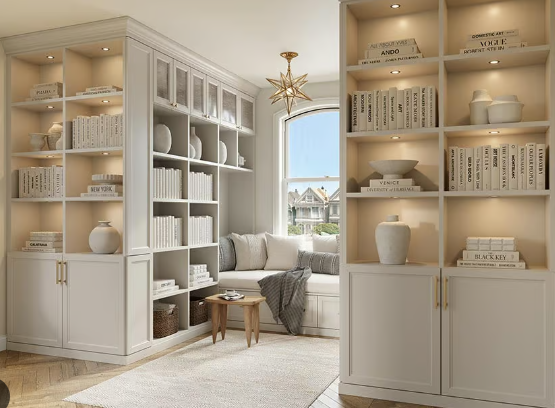
When it comes to enhancing productivity and focus in your study room, organization is key. One effective solution is investing in study room storage cabinets that can maximize your space while keeping everything you need at your fingertips.
1. Types of Study Room Storage Cabinets
There are several types of storage cabinets suitable for a study room, each catering to different needs. For instance, bookcases provide ample space for books, while filing cabinets are excellent for organizing paperwork and documents. More specialized cabinets like corner units utilize the often wasted corner space, allowing for optimal use in smaller rooms.
Consider your specific storage needs before choosing a cabinet. If your space is limited, multi-functional furniture such as cabinets with built-in desks or shelving can save space and optimize functionality. This not only keeps your study area tidy but also enhances your workflow.
-
- Assess what items you need to store (books, supplies, documents).
-
- Consider vertical storage options for limited space.
-
- Look for cabinets with adjustable shelves to accommodate various items.
-
- Prioritize cabinets with locks for important documents.
2. Features to Look For in Storage Cabinets
When shopping for a storage cabinet, think about key features that can enhance both organization and ease of access. For example, cabinets with drawers can help segregate materials like stationery and gadgets, keeping everything neatly in its place. Additionally, a cabinet with wheels allows for easier movement, making it adaptable to your space needs.
Furthermore, consider the materials used in the construction of the cabinets. High-quality wood offers durability and aesthetic appeal, while metal cabinets provide a modern look and are often more resistant to wear and tear. Make sure you choose a style and color that complements your study room’s design.
-
- Opt for drawers and compartments tailored to your organization style.
-
- Select versatile designs that can adapt to future needs.
-
- Choose materials that are durable and fit your interior decor.
-
- Ensure the cabinet height matches your work surface for easy access.
3. Maximizing Space with Study Cabinets
To truly maximize space in your study room, consider strategic placement of your storage cabinets. Placing them near your desk can reduce clutter by keeping necessary items close at hand. This layout can promote a more focused work environment, allowing for easy access and limiting distractions.
Using wall-mounted cabinets can also be a game-changer. These units free up floor space while still providing substantial storage. Floating shelves combined with lower cabinets can create a beautiful and functional study area, effectively utilizing vertical space while maintaining an organized look.
-
- Place cabinets near your workspace for convenience.
-
- Consider wall-mounted options to save floor space.
-
- Blend closed cabinets with open shelving for a balanced look.
-
- Utilize under-desk storage solutions for additional space-saving options.
4. Keeping Your Storage Organized
Once you’ve acquired the right cabinets, it’s crucial to maintain an organized system for your study room. Start by sorting items into categories, such as supplies, books, and documents. This will help you determine what goes where in your cabinets, ensuring everything is easily accessible and logically arranged.
Regular decluttering is also key to maintaining an orderly space. Set a schedule—like weekly or monthly—to assess your storage and remove any items that are no longer needed. This practice not only keeps your cabinets tidy but also helps promote a more productive study environment.
-
- Organize items into clear categories for easy retrieval.
-
- Label shelves and drawers to enhance organization.
-
- Conduct regular clean-ups to remove unnecessary items.
-
- Incorporate boxes or bins for small items within the cabinets.
Investing in study room storage cabinets can significantly transform your study space into a more organized and efficient environment. By understanding your needs and selecting cabinets with the right features, you can create a clutter-free area that fosters productivity. To take the next step towards a more organized living space, start by evaluating your storage needs and assessing what type of cabinet will best fit those requirements.