
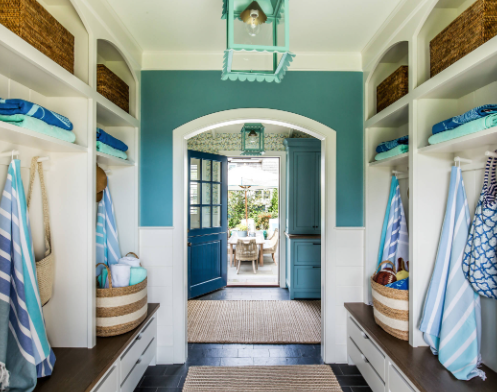
Low-Saturation Colors in Entryways: Creating a Warm Welcome
When it comes to designing your home, the entryway sets the tone for your entire living space. As the first area guests see, it’s important to choose colors that create a welcoming atmosphere. Low-saturation colors are gaining popularity for entryways because they evoke calm and invitation, making them a smart choice for creating a warm and inviting space.
1. What are Low-Saturation Colors?
Low-saturation colors, often described as muted or pastel shades, are hues that contain less intensity and brightness. These colors are softer and more subdued, providing a gentle backdrop rather than a bold statement. Think of pale blues, soft greens, or faded terracotta. These shades can enhance the feeling of tranquility in your entryway, allowing you to create an environment that feels both relaxing and sophisticated. They work well not only on walls but also on decor accents, allowing for versatile design opportunities.
2. Benefits of Low-Saturation Colors in Entryways
One of the major benefits of using low-saturation colors in entryways is their ability to promote a sense of calm. Unlike bright, high-saturation colors that can be overwhelming, muted tones create a serene space that makes guests feel welcome and at ease. Additionally, these colors can complement various decor styles, from modern minimalism to rustic charm, allowing you to express your personal style without clashing. Furthermore, low-saturation hues can make a space feel larger and more open, an important consideration in often cramped entryways.
3. Tips for Incorporating Low-Saturation Colors
To effectively incorporate low-saturation colors into your entryway, start by selecting a color palette that resonates with you. You might consider using a soft beige as a primary wall color, complemented by pastel or faded shades in your accessories, such as throw pillows or artwork. Maintaining a cohesive look is key; aim to pick two or three complementary hues to use throughout the space. Don’t forget the lighting—natural light can enhance low-saturation colors beautifully, so consider how your entryway’s exposure to sunlight may affect your choices. Lastly, mix in texture with rugs, plants, or varied materials to add depth while keeping your color scheme soft and inviting.
Conclusion
Using low-saturation colors in your entryway can transform the atmosphere and welcome guests with warmth and serenity. Whether you choose subtle pastels or muted earth tones, these colors create a calming environment that makes a striking first impression. If you’re ready to refresh your entryway, consider experimenting with low-saturation colors and see how they enhance your home. Dive into color palettes, explore design inspirations, and take the first step towards a beautifully inviting entryway!