
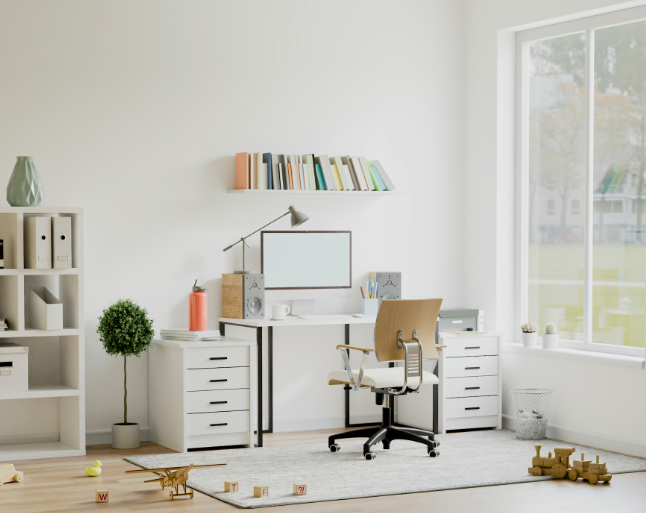
Creating a functional and organized study room can significantly enhance your productivity and focus. One essential element in this space is effective storage, particularly through cabinets that maximize your area while maintaining an aesthetically pleasing look. Here are some innovative storage cabinet ideas to help you make the most of a small study room.
1. Vertical Cabinets for Limited Space
Vertical cabinets are an excellent choice for a small study room, as they take advantage of vertical space without consuming too much floor area. These cabinets can be designed to reach the ceiling, providing ample room for books, supplies, and equipment while keeping everything within easy reach. Consider built-in options that blend seamlessly with your walls, offering both functionality and visual appeal.
When selecting a vertical cabinet, look for customizable shelving options. This allows you to adapt the interior layout according to your items’ sizes; such adaptability will help you maximize storage efficiency. Utilize the upper shelves for less frequently used items, such as old textbooks or seasonal supplies, to keep your workspace clutter-free.
-
- Choose cabinets that go up to the ceiling to use all available space.
-
- Include adjustable shelves to customize based on your needs.
-
- Opt for closed cabinets to keep items out of sight.
-
- Incorporate a ladder or step stool for easy access to high shelves.
2. Multi-functional Storage Units
Investing in multi-functional storage units can dramatically improve the utility of your small study room. For instance, a combination of a desk and storage cabinet lets you work comfortably while keeping your supplies organized. Some units include built-in drawers and shelves that house both a workspace and ample storage for files and books.
Another idea is to use a storage ottoman or a coffee table with storage capabilities. These pieces can serve the dual purpose of seating and storage, allowing you to stash items like stationery, chargers, or even reference materials, ensuring your study area remains tidy while providing extra seating options when guests arrive.
-
- Look for desks with drawers or shelves underneath.
-
- Choose ottomans or tables with hidden storage compartments.
-
- Utilize foldable desks that can be tucked away when not in use.
-
- Combine seating with wall-mounted shelves to save floor space.
3. Customized Wall Cabinets
Customized wall cabinets offer a tailored storage solution that fits your specific needs and style. By installing cabinets above your desk or work area, you’ll optimize your study room’s layout to free up valuable floor space. You can design these wall cabinets with a combination of open and closed sections to accommodate both display items and hideaway storage.
Think about integrating unique designs, such as geometric shapes or asymmetrical setups, to create a visually appealing feature wall. Additionally, consider a mix of deep drawers and shallow shelves for versatile storage options, where you can easily access frequently used items while keeping your study area organized and attractive.
-
- Consult with a professional for custom designs tailored to your space.
-
- Select materials that complement your existing decor.
-
- Incorporate glass doors to showcase decorative items while protecting them.
-
- Include under-cabinet lighting to enhance visibility and aesthetics.
4. Utilizing Corner Storage Cabinets
Don’t overlook the corners of your study room; corner storage cabinets can be a game-changer in maximizing your space. These cabinets make use of areas often left empty, allowing for extra storage without encroaching on your workspace. They come in various designs, from traditional to contemporary, and can often fit a range of styles and needs.
Incorporating a corner cabinet can allow you to store books, files, or even craft supplies while maintaining accessibility. Look for cabinets that offer a combination of shelving and drawers, enabling you to tailor the interior based on the type and size of your items. A corner cabinet can also serve as a stylish focal point if styled correctly, adorned with decorative items or framed pictures.
-
- Measure your corner space accurately before purchasing a cabinet.
-
- Consider a curved design for a soft visual that complements tight spaces.
-
- Use the top surface for additional display space or decorative elements.
-
- Opt for cabinets with doors to conceal clutter in open spaces.
5. Use of Under-Desk Storage Solutions
Under-desk storage solutions are an effective way to make the most of your study area without adding extra furniture. Carts, file cabinets, or bins can slide neatly under the desk, keeping your supplies within arm’s reach while maintaining an organized and spacious look. This approach also allows for easy mobility, especially if you need to move around your study room frequently.
Consider baskets or caddies for a stylish yet functional look that can be easily removed when needed. This not only creates eye-catching decor but also encourages a tidy workspace. Make a habit of decluttering these areas regularly to ensure you’re only keeping what is necessary.
-
- Invest in rolling carts that can easily maneuver as needed.
-
- Use stackable bins for effective use of the under-desk space.
-
- Label boxes or containers to easily identify contents.
-
- Regularly clear out unused items to keep your storage efficient.
In summary, the right storage cabinets can transform a small study room into an organized oasis of productivity. By thinking creatively about how you use your space, you can incorporate functional and stylish cabinets that enhance your workflow. Now is the perfect time to start planning your study area—explore these ideas and transform your environment for better focus and efficiency!