
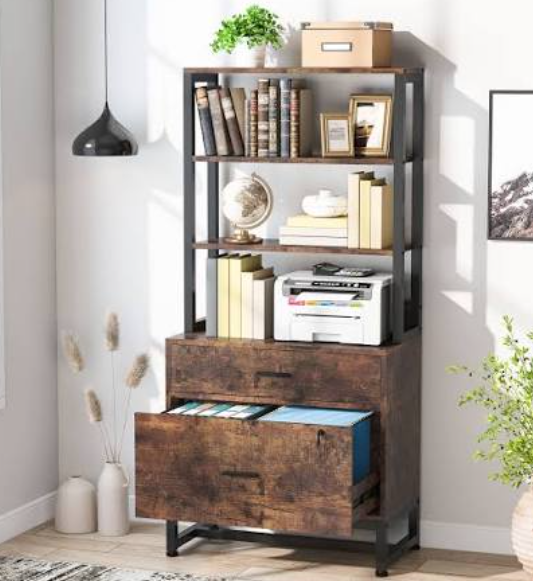
Storage cabinets for books and documents are essential for maintaining an organized and efficient workspace or home library. They not only provide a place to keep your materials safe but also help enhance your productivity. In this blog post, we’ll explore different types of storage cabinets and considerations to keep in mind when choosing the right one for your needs.
1. Understanding Different Types of Storage Cabinets
When selecting a storage cabinet for books and documents, it’s important to consider the various types available on the market. Common options include wooden cabinets, metal cabinets, and modular shelving units. Wooden cabinets provide an elegant aesthetic and can fit seamlessly into traditional settings, while metal cabinets are more durable and often used in office settings for their resilience. Modular shelving units, on the other hand, offer flexibility and can be adjusted to fit your space.
Each type of cabinet has its own advantages. Wooden cabinets can be great for archiving valuable collections, while metal options might suit those needing high-security storage for sensitive documents or confidential files. Modular units allow you to maximize space efficiently, especially in smaller offices or rooms, making them ideal for evolving needs.
-
- Assess your space: Measure the area you plan to fill.
-
- Consider aesthetic: Choose a style that complements your existing décor.
-
- Check durability: Review materials to ensure they meet your needs.
-
- Think about accessibility: Choose a design that allows easy access to your documents or books.
2. Organizing Your Storage Cabinets Effectively
Once you have selected the appropriate cabinet, organizing its contents is crucial for maximizing efficiency. Start by categorizing your items; group books by genre or subject, and documents by type or purpose. Labeling shelves or sections can aid in quickly locating items, ultimately saving you valuable time.
Furthermore, consider using storage bins or folders within the cabinet to provide additional organization. This can help protect delicate documents while also allowing you to have a clean and tidy appearance. Regularly reassess the arrangement as your collection grows or changes to ensure it continues to meet your needs.
-
- Sort items: Create categories for books and documents.
-
- Use labels: Clearly mark each section for easier navigation.
-
- Regularly declutter: Remove items that are no longer needed.
-
- Utilize protective covers for sensitive documents.
3. Choosing the Right Features for Your Storage Cabinet
The features of your storage cabinet can greatly influence its functionality. Look for cabinets with adjustable shelves so you can customize the height based on the size of your books or documents. Additionally, consider cabinets with locking mechanisms if you’re storing sensitive or confidential materials. This ensures added security and peace of mind.
Moreover, think about mobility. Cabinets with wheels allow for flexibility in your workspace, making it easy to relocate them as needed. Some cabinets also come with additional features like built-in lighting, which can enhance visibility, particularly in dimly lit areas. Evaluate which features are essential for your particular use case.
-
- Assess shelf adjustability: Look for options that allow height adjustments.
-
- Check for locks: Choose cabinets that secure sensitive materials.
-
- Consider mobility: Cabinets on wheels offer flexibility.
-
- Add lighting: Built-in lights enhance accessibility and visibility.
4. Maintaining Your Storage Cabinets
Proper maintenance of your storage cabinet is essential to prolong its life and keep it looking great. Regularly dust and clean the surfaces, especially if they are wooden, to prevent buildup that can damage the finish. If your cabinet has metal components, check for rust or damage that may require repair to maintain its structural integrity.
Additionally, periodically assess the contents of your cabinet. Ensure that items are still relevant and remove anything outdated or no longer needed. This not only keeps the cabinet organized but ensures that it fulfills its primary purpose. Taking proactive steps in maintenance will ensure your cabinet will serve you well for years to come.
-
- Dust regularly: Keep surfaces clean to prevent damage.
-
- Inspect for damage: Look for signs of wear and tear.
-
- Reassess contents: Periodically declutter to maintain organization.
-
- Address issues promptly: Repair any damage as soon as you notice it.
Storage cabinets for books and documents are invaluable in organizing your workspace or home library. By understanding the different types, organizing effectively, choosing features wisely, and maintaining your cabinet, you can create a well-ordered environment that enhances productivity. Take the time to assess your needs and find the perfect storage solution that works for you.