
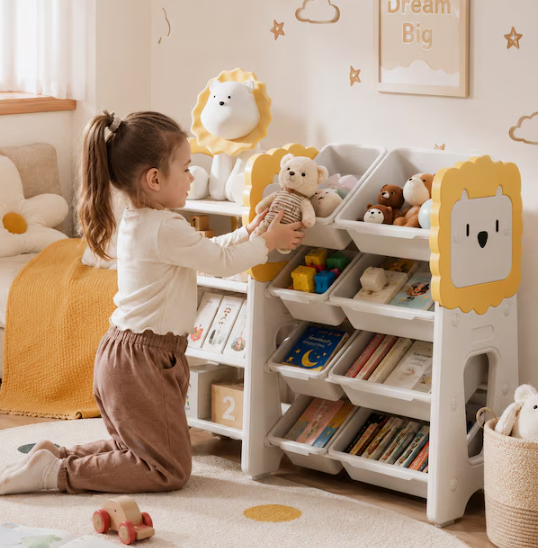
Creating a study room for kids that fosters learning and creativity starts with the right furniture, especially storage cabinets. These essential pieces not only help keep the space organized but also encourage responsibility in children by teaching them to manage their own materials. Here’s a guide on how to choose and use storage cabinets effectively for kids’ study rooms.
1. Understanding the Importance of Storage Cabinets
Storage cabinets play a pivotal role in maintaining an organized study environment. By providing dedicated spaces for books, art supplies, and learning materials, they help reduce clutter, allowing children to focus on their studies. When everything has its place, kids can easily find what they need, leading to a more efficient and enjoyable learning experience.
Moreover, storage cabinets can enhance aesthetics in a study room. Bright colors or fun shapes can transform a dull room into a more inviting and stimulating area. Cabinets tailored to your child’s interests can make studying feel less like a chore and more like an exciting adventure.
-
- Choose colorful cabinets that match the room decor.
-
- Include labels for different sections to help kids understand organization.
-
- Incorporate open shelving to display inspiring items.
-
- Opt for cabinets with interlocking features for safety.
2. Types of Storage Cabinets for Study Rooms
There are various types of storage cabinets available, each serving a different purpose. For instance, bookcases are ideal for keeping textbooks and novels organized, while multi-drawer cabinets are excellent for storing smaller items like stationery and art supplies. Consider your child’s study habits and the materials they use most frequently when selecting the type of storage cabinet.
Lockers are another fantastic option, offering personal space for kids to store their belongings securely. In contrast, modular storage units provide the flexibility to customize the arrangement as your child grows and their needs change. Incorporating a mix of these storage solutions can cater to a wide array of items and encourage better organization.
-
- Identify the most commonly used items to determine cabinet type.
-
- Consider multi-functional cabinets that serve multiple storage needs.
-
- Measure the space to ensure a good fit for the chosen cabinets.
-
- Look for cabinets with wheels for easy mobility.
3. Tips for Organizing Storage Cabinets Effectively
Once you’ve selected the appropriate storage cabinets, organizing them efficiently is key to maximizing space. Start by grouping similar items together, such as school supplies, books, and craft materials. This will make searching for different items much easier for your child and help instill a habit of tidiness.
Additionally, encourage your child to take ownership of their own storage. Allow them to choose how to organize their materials, whether through color coding or using bins for specific items. Teaching them how to manage their belongings fosters responsibility and independence.
-
- Use bins and trays for smaller items to avoid clutter.
-
- Encourage a “one-in, one-out” policy to reduce excess items.
-
- Rotate items seasonally to keep the study space fresh.
-
- Involve your child in the organization process to make it enjoyable.
4. Choosing Eco-Friendly Storage Solutions
When selecting storage cabinets, consider eco-friendly options that contribute to a sustainable environment. Many manufacturers now offer cabinets made from recycled materials, which can be both stylish and environmentally conscious. These choices not only reduce environmental impact but can also teach children the importance of sustainability from an early age.
Additionally, wooden cabinets made from sustainably sourced timber are often durable and long-lasting. Investing in quality, eco-friendly furniture can save you money in the long run, as you won’t have to replace poorly made furniture frequently. Educating your child about these choices can further enhance their understanding of sustainability and its significance.
-
- Research brands that focus on sustainable practices.
-
- Look for certifications like FSC (Forest Stewardship Council) on wooden furniture.
-
- Choose materials that are non-toxic and free from harmful chemicals.
-
- Consider second-hand furniture for a more sustainable option.
5. Incorporating Personal Touches
Adding personal touches to storage cabinets can make the study space feel more inviting. Allowing your child to decorate their storage cabinets, whether with stickers, colored bins, or personal artwork, instills a sense of pride and ownership over their study area. It can also stimulate creativity and serve as a source of inspiration while they work.
Furthermore, integrating photos or favorite quotes can create a positive environment that encourages productivity. Personalization not only enhances the room’s aesthetic appeal but also motivates children to engage more with their study materials by creating a space they love to spend time in.
-
- Encourage kids to personalize their cabinet with art or decorations.
-
- Use clear bins to showcase fun labels or contents.
-
- Switch out decorations seasonally for freshness and excitement.
-
- Incorporate a chalkboard or whiteboard surface for notes and inspiration.
In conclusion, storage cabinets are a fundamental component of kids’ study rooms that can greatly enhance both organization and learning. By selecting the right cabinets and helping children personalize and manage their study space, you can foster a productive and enjoyable environment for their academic journey. Take the time to explore the options available, and create a workspace that inspires your child’s creativity and learning.