
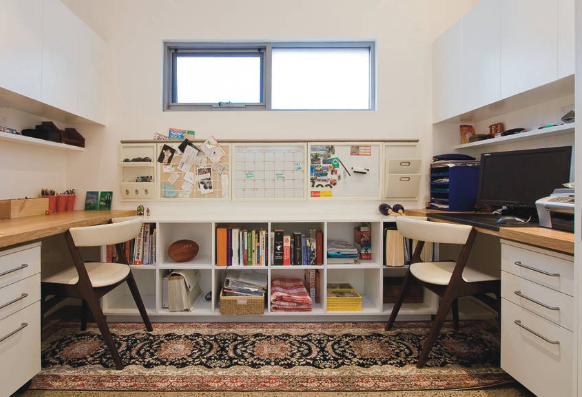
Creating an efficient and organized study space for teens is crucial for enhancing their focus and productivity. Storage cabinets play a vital role in achieving this goal, providing not just a place to keep books and supplies, but also fostering a sense of responsibility and independence. Below, we will explore essential storage solutions tailored for teen study rooms, focusing on design, functionality, and organization.
1. Choosing the Right Size Storage Cabinet
When selecting a storage cabinet for a teen’s study room, it’s essential to consider the available space. A cabinet that is too large can overwhelm the room and limit movement, while one that is too small may not accommodate all necessary materials. Start by measuring the area where the cabinet will be placed and ensure it complements the other furniture in the room.
There are various styles and sizes available, from sleek, tall cabinets that maximize vertical space to low, wide options that can serve as additional work surfaces. Modular cabinets that can be adjusted or added to over time provide flexibility as a teen’s needs change. For instance, if a teen is entering high school, their storage requirements may evolve significantly.
-
- Measure your available space before purchasing.
-
- Choose a height that’s appropriate for a teen.
-
- Opt for modular designs for flexibility.
-
- Incorporate cabinets with wheels for easy relocation.
2. Prioritizing Functionality and Features
In the realm of study room storage cabinets, functionality is key. Look for cabinets that offer shelves, drawers, and compartments specifically designed to hold school supplies, books, and personal items. Some cabinets even come with built-in lighting or cork boards, making them multifunctional. It’s beneficial to think about what specific items the cabinet will need to store; for example, art supplies, textbooks, and tech gadgets may require different storage solutions.
Another important feature to consider is accessibility. Ideal storage should allow easy access to essential items, encouraging teens to keep their space organized. Cabinets with adjustable shelves can adapt to varying sizes of books and materials, while drawers can provide secure storage for smaller items like stationery and electronics.
-
- Identify what items need storage and categorize accordingly.
-
- Look for features like adjustable shelves and pull-out drawers.
-
- Consider cabinets with multi-functional uses, such as a writing surface.
-
- Ensure easy access for teens to encourage organization.
3. Aesthetic Appeal and Personalization
While functionality should not be sacrificed for aesthetics, a visually pleasing storage cabinet can greatly enhance a teen’s study room. Many modern cabinets come in various colors and finishes, allowing for customization that reflects personal style. From sleek, minimalist designs to vibrant, playful patterns, selecting a cabinet that resonates with a teen’s identity can make the study space more inviting and encouraging.
Involving teens in the selection process not only ensures that their preferences are met but also makes them more likely to maintain and respect the organization of their study area. Accessories like decorative containers or custom labels can further personalize their cabinet space and make organization a more engaging task.
-
- Choose colors that resonate with your teen’s individual style.
-
- Involve your teen in the selection of storage solutions.
-
- Consider accessories that complement the cabinet for personalization.
-
- Employ wall decals or chalkboard paint nearby for a versatile look.
4. Maintaining Organization Over Time
Once the perfect cabinet is chosen and set up, the next challenge is maintenance. Teens can benefit from regular organization routines to keep their study space tidy. A weekly schedule could involve reviewing what’s in the cabinet, discarding unnecessary items, and reorganizing based on current study needs. Establishing such routines not only fosters independence but also helps teens build strong organizational skills that will serve them well into the future.
Utilizing bins, drawer organizers, and labels can make maintenance easier. Bins can hold like items together, while labels help in quickly finding what’s needed. Creating a system where books are shelved based on frequency of use or subjects can greatly streamline the study process as well.
-
- Incorporate a weekly clean-up schedule for organization.
-
- Use bins and organizers for better categorization.
-
- Label items clearly for quick access.
-
- Routinely discard old or unused materials to minimize clutter.
Turning a teen’s study room into a well-organized and inspiring space is not just about aesthetics; it’s about fostering an environment that promotes effective learning. With the right storage cabinets and routines, teens can cultivate a space that enhances their academic success and personal growth. Encourage your teen to take charge of their study space and watch as they thrive in a well-structured environment.