
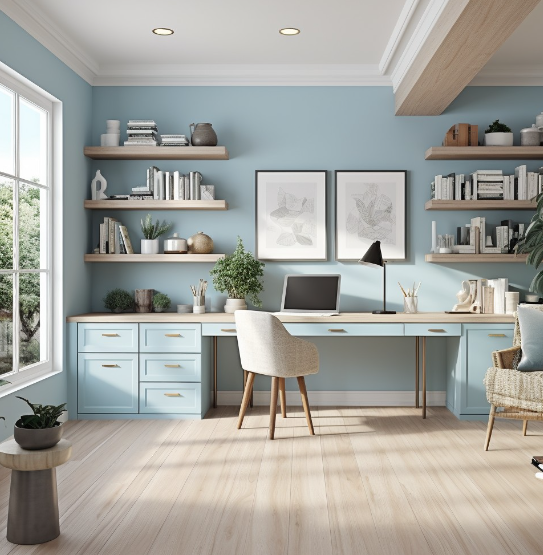
When designing a study room, the selection of storage cabinets is paramount. Clean geometric designs not only elevate the aesthetics of the space but also offer functional benefits that enhance your productivity.
1. The Importance of Clean Geometry in Storage Cabinets
Clean geometry in cabinet design helps to create a serene and organized environment. This style emphasizes sharp lines and minimal ornamentation, making the cabinets versatile enough to fit various interior designs—from modern to classic. For instance, a sleek, rectangular cabinet can serve as a focal point while maintaining a clutter-free atmosphere.
Moreover, clean geometric designs facilitate easy organization. Cabinets with clearly defined shapes often come with adjustable shelves, which allow users to customize the space according to personal preferences and storage needs. Choosing cabinets with a simple silhouette also makes for easier maintenance, as there are fewer intricate details that can collect dust.
-
- Choose cabinets with defined lines for a modern look.
-
- Prioritize functionality alongside aesthetics.
-
- Look for adjustable shelves to maximize storage efficiency.
-
- Consider materials that are easy to clean and maintain.
-
- Assess your space carefully to ensure a perfect fit.
2. Types of Storage Cabinets with Clean Geometry
There are several types of storage cabinets that incorporate clean geometry, each serving different purposes. For example, a tall, slim cabinet can fit into smaller spaces while offering ample storage for books and materials. Alternatively, a wide, low cabinet may serve dual purposes, functioning as both a storage solution and a display area for decorative items.
In addition to size variations, consider materials like metal, wood, or plywood to suit your design style. For a contemporary study setup, a matte-finish metal cabinet can add an industrial touch. On the other hand, a wooden cabinet with a smooth finish brings warmth to the room and can blend seamlessly with traditional interiors.
-
- Explore styles like slim, tall cabinets for narrow spaces.
-
- Opt for multi-functional cabinets to maximize utility.
-
- Choose materials that complement your existing decor.
-
- Consider color coordination to create a cohesive look.
-
- Check stability and durability for long-lasting use.
3. Organizing Strategies for Your Study Room Cabinets
Once you’ve selected the right cabinet, the next step is effective organization. Start by categorizing items into groups (e.g., books, stationery, and files) so that similar items are stored together for easy access. Using dividers or bins can also help maintain organization within the cabinet. For example, cute colored bins can house pens and notepads, while files can be sorted with labeled folders.
Another essential tip for cabinet organization is the placement of frequently used items at eye level. This approach reduces the time spent searching for essentials and enhances the overall functionality of your study space. It’s also wise to rotate seasonal items occasionally, keeping your workspace flexible and adaptable to changing needs and preferences.
-
- Sort items into categories for better organization.
-
- Incorporate bins or dividers for smaller items.
-
- Place frequently used items at eye level.
-
- Label storage containers for quick identification.
-
- Regularly reassess and rotate seasonal items.
4. Tips for Choosing the Right Storage Cabinets for Your Study
Selecting the ideal storage cabinet for your study room involves several considerations. Begin by measuring your study space to ensure the cabinet fits seamlessly into the room. Take into account the height and depth to avoid overwhelming the space, especially in a compact area.
Next, consider your storage needs. If you have numerous textbooks, a cabinet with adjustable shelves may be perfect to accommodate varying formats. Finally, think about aesthetics—select a cabinet that not only meets your functional requirements but also complements your personal style and the overall theme of your study room.
-
- Measure your space to ensure a proper fit.
-
- Identify your specific storage needs before shopping.
-
- Consider color and style to match your decor.
-
- Check for adjustable shelving for versatility.
-
- Look for durability and quality before making a purchase.
In conclusion, incorporating storage cabinets with clean geometry can significantly enhance the functionality and aesthetics of your study room. These cabinets not only provide essential storage solutions but can also elevate the overall design of the space. Take your time to explore options and select pieces that speak to your style and meet your organizational needs.