
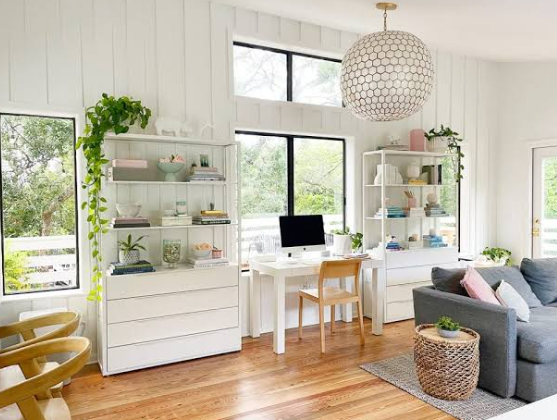
Creating a functional study space in a small home can be a challenging endeavor, especially for small families. The key to optimizing this space lies in innovative storage solutions that cater to both organization and accessibility.
1. Choosing the Right Size for Your Study Room Storage Cabinet
When selecting a storage cabinet, size is one of the most critical factors. Not only should the cabinet fit within the dimensions of your study room, but it should also accommodate the materials that your family needs to store. Consider vertical cabinets that utilize height rather than width, thus saving floor space while maximizing storage potential. Compact designs, such as corner cabinets, can also help harness every inch of your room.
Additionally, think about the items you need to store. For families with children, a cabinet that has both closed and open shelves can serve well—closed shelves for confidential documents and open shelves for books or decorative items. It’s essential to measure your available space accurately before making a purchase to ensure that your chosen cabinet will fit comfortably without overwhelming the area.
-
- Measure your study room to know the available dimensions for your cabinet.
-
- Consider vertical options to save floor space.
-
- Choose cabinets with a mix of open and closed storage.
-
- Think about future needs; opt for slightly larger if you anticipate buying more materials.
2. Material Considerations for Durability and Style
The material of your storage cabinet can significantly affect its durability and aesthetic appeal. Solid wood cabinets offer a robust and timeless look but can be heavier and more expensive. If weight and budget are concerns, engineered wood or metal cabinets can be excellent alternatives, providing strength and longevity without compromising on style. Additionally, completing the look with tasteful finishes can help blend your cabinet with existing decor, creating a cohesive environment.
Another important aspect is to consider ease of cleaning and maintenance. Materials such as laminate and treated wood can be wiped clean easily, which is essential for families with young children or pets. Opting for cabinets with a smooth finish makes it easier to keep the study area neat and tidy, encouraging good habits among family members.
-
- Evaluate whether aesthetics or durability is your priority.
-
- Look for materials that are easy to clean and maintain.
-
- Check for secure shelving and strong hinges in the cabinet’s design.
-
- Consider versatile styles that can adapt to different decor themes.
3. Maximizing Usability with Organizational Features
To make the most out of your study room storage cabinet, look for features that enhance usability. Adjustable shelves allow you to customize spacing based on the size of your items, while drawers can help keep smaller items organized and out of sight. Additionally, including cabinet doors that provide visual closure can help maintain a tidy appearance, making it easier for family members to focus on their studies.
Consider integrating additional organizational tools within your cabinet. Drawer dividers, labeled bins, and clipboards can help keep items sorted and easily accessible. This will not only improve efficiency when looking for materials but also instill a sense of responsibility in children, teaching them to find and return items to their respective places.
-
- Look for adjustable shelving for customizable storage.
-
- Incorporate storage bins or baskets for small items.
-
- Use drawer dividers to keep things tidy and organized.
-
- Use labels to help younger family members learn to put things back in the right spot.
4. Decluttering Tips for Small Study Spaces
Before introducing a new storage cabinet, it’s essential to declutter your study area. Sort existing materials into categories—keep, donate, and discard. This step not only simplifies your storage needs but also ensures that your new cabinet is both functional and effective. A clean, organized study space fosters better concentration and productivity for everyone in the household.
Involve your family in the decluttering process to teach valuable organizational skills. Consider setting a schedule for regular reviews of what’s stored in the cabinet, ensuring that items remain relevant and usable. This not only maintains order but also makes it easier to adapt to changing educational needs over time.
-
- Sort materials into ‘keep’, ‘donate’, and ‘discard’ piles.
-
- Schedule regular decluttering sessions (monthly or quarterly).
-
- Teach children the importance of keeping only what’s necessary.
-
- Encourage a one-in-one-out policy for new materials added to the cabinet.
5. Budget-Friendly Options for Study Room Storage
Creating an effective study environment doesn’t have to be expensive. There are plenty of budget-friendly storage cabinet options on the market that can meet your family’s needs. Consider thrift stores or online marketplaces where you might find gently used cabinets that only require a fresh coat of paint or some minor repairs. DIY solutions can also be a great way to save money while personalizing your study space.
Building your storage cabinet using repurposed furniture can be a fulfilling project that not only saves you money but also provides a unique piece for your study room. An old dresser or a bookshelf can be transformed into a custom cabinet that fits perfectly in your space while addressing your family’s specific storage requirements.
-
- Explore thrift stores and online marketplaces for second-hand options.
-
- Consider DIY projects with repurposed furniture.
-
- Look for sales or clearance items in local stores.
-
- Join local buy/sell groups to find great deals in your community.
In conclusion, equipping your study room with the right storage cabinets can significantly enhance functionality for your family. By carefully selecting size, material, and organizational features, as well as adopting decluttering habits, you can create a conducive study environment. Take the next step by assessing your family’s specific needs and start transforming your space today!